
























Advertisement
Five Ways to Improve How You Practice
October 21, 2026
Practice is where players build the habits that show up when the game is on the line. But simply showing up and completing drills doesn’t guarantee improvement. How players approach each repetition, respond to mistakes, and interact with teammates can make a meaningful difference in their development.
For parents, it can be easy to measure progress by goals, assists, and game results. Coaches, however, see much more than what’s on the scoresheet. They notice how players respond to instruction, compete through challenges, and make the most of their time on the ice.
The good news? Becoming a better practice player doesn’t require a complete overhaul. Sometimes, small changes in approach can make a big difference.
5 Small Changes to How You Practice
1. Practice With Purpose
Every drill is an opportunity to improve a skill, but only if players approach it with intention. Instead of simply trying to finish first, focus on the details: skating technique, passing accuracy, puck control, or shooting mechanics.
Identify what you’re working on and challenge yourself to execute it better with every repetition. Those small improvements build the foundation for better performance at game speed.
2. Listen, Learn, and Apply Feedback
Listening to a coach is one thing. Putting their feedback into action is another.
If a coach asks you to scan the ice before receiving a pass, make a conscious effort to do it on the next repetition. If they correct your skating technique, focus on making that adjustment rather than reverting to old habits.
Coachability is demonstrated through action. Players who apply feedback give themselves more opportunities to learn, improve, and build trust with their coaches.
3. Never Give Up on a Rep
Miss a pass? Go get it. Lose control of the puck? Recover and keep working. Don’t simply skate back to the line and wait for your next turn.
You wouldn’t return to the bench in the middle of a game just because you turned the puck over. Practice is no different. Every repetition is an opportunity to recover, compete, and make the next play.
These moments also help build accountability. Rather than letting a mistake end your effort, learn to respond immediately and stay engaged.
4. Compete Consistently
Not every drill will be your favorite. Some will challenge your strengths, while others might seem repetitive or less relevant to your game. Regardless, your effort shouldn’t change.
Every minute on the ice is an opportunity. Even a seemingly simple drill can reinforce skating mechanics, puck control, timing, or consistency. The habits you develop during routine exercises can carry into the moments when the game gets difficult.
Bring the same focus and compete level to every drill. You never know which small detail will make a difference when the pressure is on.
5. Have Fun
Hockey is competitive, but don’t lose sight of the joy that brought you to the rink in the first place. The best competitors can push themselves, embrace challenges, and still have fun doing it. Celebrate a great play. Get excited when a teammate makes a big stop. Bring energy to the ice and encourage the players around you.
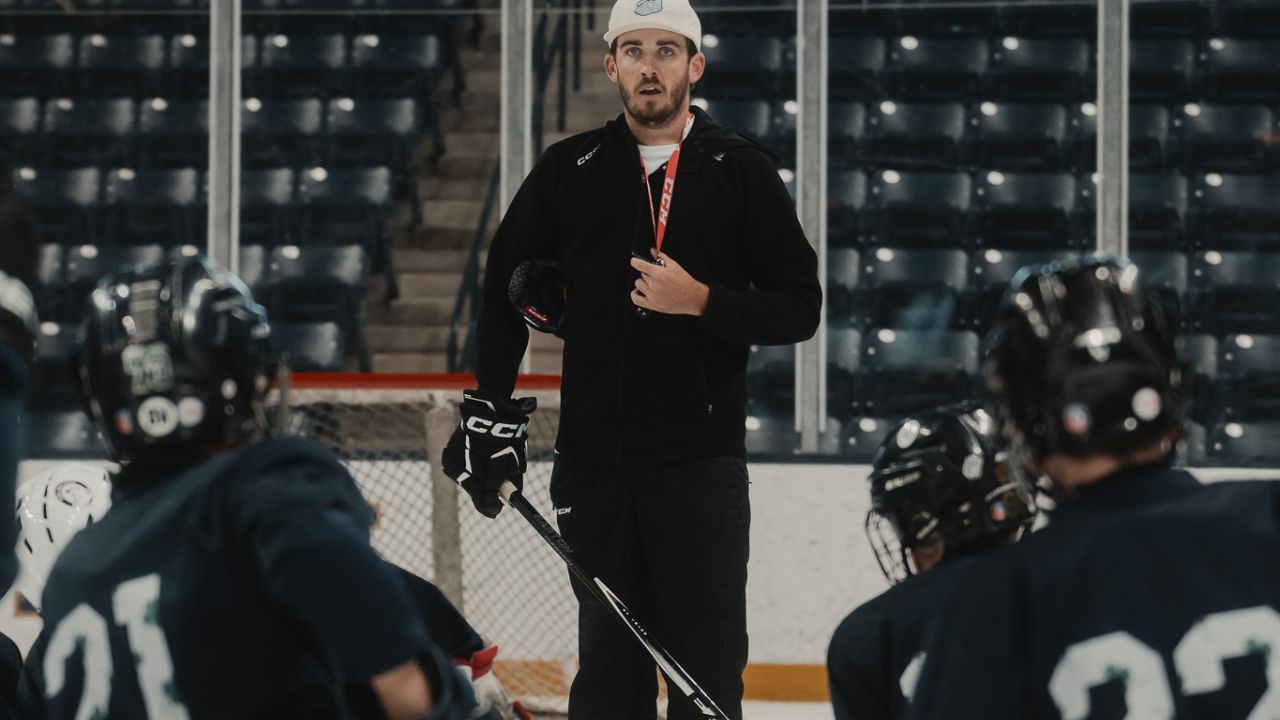
Seth Appert, Head Coach of the Buffalo Sabres, has emphasized at the CCM 68 Combine the importance of celebrating in practice just as players would in a game. The message is simple: bring that same passion and enthusiasm to the work it takes to get there.
Players who help make practice enjoyable can strengthen the environment for everyone. They become teammates who encourage others, celebrate progress, and make the group better.
Turning Practice Habits Into Game Performance
The purpose of practice is to prepare players for situations they will face in games. Skills must eventually translate into decisions made under pressure, against opponents, and at game speed.
A player who consistently practices receiving passes with their head up develops the habit of recognizing options before pressure arrives. A player who works through mistakes learns to recover and refocus instead of letting one bad play affect the next shift.
As Mark Roy, 200×85 Director of Team & Player Services, explains “Practice is where players build the habits they’ll rely on in games. The more consistently they work on the details, apply feedback, and compete through challenges, the better prepared they are to execute when the pressure increases.”
Progress won’t always appear immediately in the statistics. Better decisions, more consistent effort, improved positioning, and quicker adjustments are all signs that practice is translating into performance.
Why New Competitive Environments Matter
Players also benefit from testing their habits in unfamiliar environments. New teammates, different opponents, and unfamiliar coaching styles challenge athletes to adapt and apply what they’ve learned.
Can a player maintain their effort against a stronger opponent? Respond to feedback from a new coach? Stay positive and engaged when a game doesn’t go as planned?
Chad Green, 200×85 Senior Manager of Hockey Operations, emphasizes the importance of looking beyond results. “A player’s approach tells you a lot. Coaches notice how athletes compete, respond to instruction, and handle adversity. Those habits matter because development is about more than what a player can do on their best day.”
These experiences give players opportunities to identify strengths, recognize areas for improvement, and demonstrate their abilities in different settings. They also help athletes learn how to make the most of opportunities to compete and be evaluated.
Putting Development Into Practice With 200×85
Building better habits takes consistency, and players need opportunities to put those habits to work. Across its programming, 200×85 provides different environments where athletes can develop their skills, challenge themselves, and compete.
- Development camps give players opportunities to refine skills, receive instruction, and apply feedback.
- Tournaments challenge athletes to execute under pressure, compete consistently, and contribute to a team.
- ID camps and showcases allow players to demonstrate their skills, coachability, and compete level in new environments.
Each experience offers something different, but players who arrive prepared, embrace coaching, and make the most of every repetition are better positioned to benefit from the opportunity.
“When players enter a new environment, their habits travel with them.” says Justin Lewandowski, 200×85 President. “How they prepare, compete, respond to coaching, and adjust to challenges can help them make the most of the experience.”
No single event replaces the work players put in throughout the season. Instead, these opportunities complement that work by allowing athletes to apply their skills, experience new challenges, and identify what they need to work on next.
Development Is About More Than the Next Game
Parents can support this process by encouraging their children to focus on what they can control. Ask what they learned at practice, what feedback they received, and what they want to improve next time. Recognize effort, accountability, and progress alongside goals and assists.
The objective isn’t perfection. It’s helping players take ownership of their development and understand that improvement comes from the habits they build every day.
The next big play might happen on game day. The habits that help make it possible start at practice.
Recent News

Five Ways to Improve How You Practice
Oct 21, 2026
Looking For Scorekeepers at CCM World Invite
Oct 21, 2026
Advertisement


Championship Belts Claimed in Hockeytown: Recapping the 2026 CCM Motown
Oct 19, 2026

1,255 games, 66 sheets of ice, 37 facilities… The CCM World Invite Schedule is LIVE!
Oct 16, 2026